
custom flooring design for light and airy coastal living
We’re thinking about how to make our homes feel like a seaside escape, and the floor plays a big part. Getting the right look and feel for a coastal vibe means paying attention to the details, especially with our coastal flooring installation. We want that light, open feeling, like a gentle sea breeze is always blowing through. It’s about creating a space that feels calm and connected to the water, even if we’re miles away.
Key Takeaways
- When planning our coastal flooring installation, light-colored wood can really help create that open, airy atmosphere we’re going for. It reflects light well and makes rooms feel bigger.
- We need to think about materials that can handle moisture, especially if we live near the coast. Things like tile or certain types of vinyl are good choices because they hold up to salt and dampness.
- Making sure our floors flow well from one room to the next is important for that open, coastal feel. Keeping the style consistent helps the whole house feel connected and calm.
Choosing The Right Coastal Flooring Installation
When we think about creating that light and airy coastal feel in our homes, the flooring plays a really big part. It’s not just about looks, though; it’s also about how the floor holds up to the salty air and the general wear and tear that comes with a relaxed, beach-adjacent lifestyle. We need to pick materials that not only fit the aesthetic but are also practical for our environment.
Light-Toned Wood For A Breezy Ambiance
Wood floors can really bring a sense of warmth and natural beauty to any space, and for a coastal vibe, lighter shades are usually the way to go. Think about finishes like pale oak, whitewashed pine, or even a light maple. These colors reflect light well, making rooms feel bigger and more open, which is exactly what we want for that breezy, coastal feel. It’s like bringing a bit of the bright, open sky indoors.
- Consider engineered wood: For areas that might see more moisture, like near the coast, engineered wood can be a good option. It’s more stable than solid wood and can handle changes in humidity better.
- Look at the finish: A matte or satin finish tends to look more natural and less formal than a high-gloss one. It also hides minor scratches better, which is a plus.
- Think about the plank width: Wider planks often give a more modern and spacious feel, fitting well with a contemporary coastal design.
Water-Resistant Materials For Salty Air
Living near the coast means dealing with a bit more moisture and salt in the air. This can be tough on certain flooring materials. We need to be smart about what we choose so our floors look good for years to come without constant worry.
- Luxury Vinyl Plank (LVP): This is a really popular choice for coastal homes. LVP is completely waterproof, so spills or dampness aren’t a problem. It also comes in so many styles that mimic real wood or stone, giving us lots of design flexibility.
- Tile: Ceramic or porcelain tiles are another excellent option. They are incredibly durable, waterproof, and easy to clean. Many tiles now have textures that look and feel like natural wood, offering the best of both worlds.
- Cork Flooring: While not completely waterproof, cork is naturally resistant to mold and mildew, which is great for humid coastal areas. It’s also comfortable underfoot and has a unique, natural look.
We want floors that can handle a little bit of everything – sandy feet coming in from the beach, maybe a dropped drink, and the general humidity that comes with living by the sea. Durability and ease of cleaning are just as important as the color and style.
Enhancing Your Coastal Flooring Design
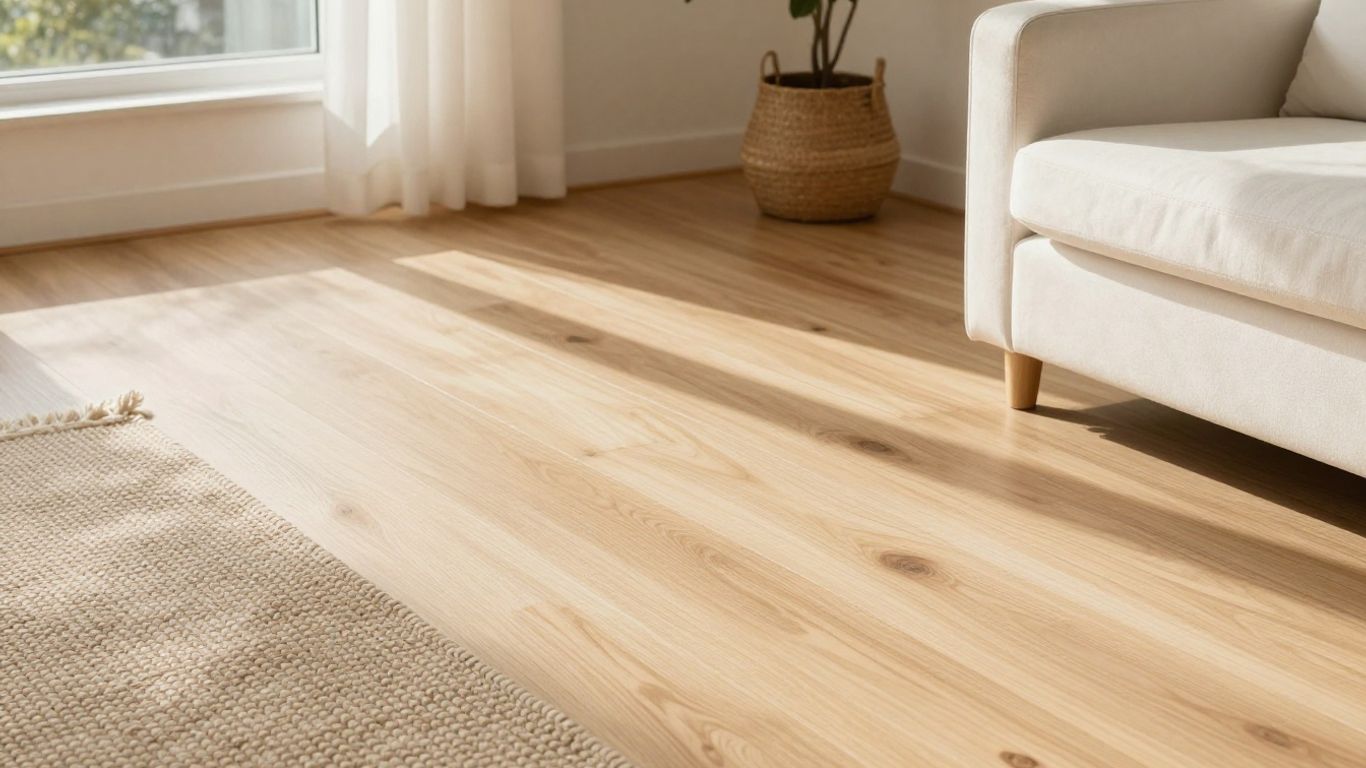
Once we’ve picked out the perfect light-toned wood or water-resistant material for our coastal home, it’s time to really make it sing. We want our floors to feel like a natural extension of the beach and sea, not just a surface underfoot. It’s all about creating that relaxed, open feeling that coastal living is known for.
Natural Textures And Patterns
Think about how the sand feels between your toes or the way driftwood looks. We can bring that same tactile quality to our floors. Using materials with a bit of natural grain or a subtle texture can make a big difference. For instance, a wide-plank white oak with a brushed finish gives us that look and feel without being too rough. It catches the light nicely, too.
We can also play with patterns. Herringbone or chevron patterns in lighter woods can add visual interest without being overwhelming. They draw the eye and can make a room feel a bit more dynamic. Even a simple basketweave pattern in a durable material like luxury vinyl can mimic natural fibers and add a touch of the outdoors.
- Consider materials like reclaimed wood for a unique story.
- Look for finishes that mimic natural wear and tear.
- Explore patterns that echo natural formations, like gentle waves.
Seamless Transitions For Open Spaces
Coastal homes often have open floor plans, and we want our flooring to help that flow. The goal is to make it look like one continuous space, from the living room to the kitchen and out to a sunroom. This means minimizing abrupt changes in flooring material or color.
If we’re using different materials in adjacent areas, like tile in a bathroom and wood in a hallway, we need to make sure the transition is smooth. A simple, low-profile transition strip is usually best. Sometimes, we can even use the same material but change the pattern, like going from straight planks in the main area to a border pattern around the edges of a room. This gives definition without breaking the flow.
We want the eye to travel easily across the space, making it feel larger and more connected. It’s about creating a sense of calm and spaciousness, just like looking out at the ocean.
We should also think about how the flooring meets the walls. A clean, simple baseboard or quarter-round molding in a light color helps tie everything together. It’s the little details that really pull the whole look together, making our coastal retreat feel complete and inviting.
Wrapping Up Our Coastal Flooring Journey
So, we’ve looked at how flooring can really set the mood for a light and airy coastal home. It’s not just about picking a color; it’s about how the material feels underfoot and how it catches the light. We’ve seen how different woods, stones, and even some composites can bring that relaxed, beachy vibe right into our living spaces. Choosing the right floor is a big step, but it’s one that makes a huge difference in how our homes feel. We hope this gives you some good ideas for your own place by the sea, or even just a space that feels like it.
Frequently Asked Questions
What kind of flooring works best for a beach house vibe?
For that light and breezy coastal feel, we often suggest light-colored wood floors, like pale oak or ash. These shades really open up a room and give it that airy, relaxed atmosphere. We also find that materials that can handle moisture well are super important, especially if you live near the salty sea air. Think about waterproof options like luxury vinyl plank or certain types of tile that mimic wood or stone.
How can we make our coastal floors look even better?
To really boost your coastal floor design, we recommend playing with natural textures and patterns. This could mean using flooring that has a subtle grain, or perhaps incorporating a rug with a wave-like design or a natural fiber like jute. Also, making sure your floors flow smoothly from one room to another is key, especially in open-plan homes. This creates a sense of space and keeps the light and airy feeling going throughout your entire home.
Are there any special things to think about when installing floors in a coastal area?
Absolutely. When we install flooring in places with a lot of sun and potential moisture, we always consider how the materials will hold up. We look for floors that are resistant to fading from strong sunlight and that can deal with humidity or even occasional splashes. Choosing the right installation method also helps ensure your floors last a long time and continue to look great, keeping that fresh, coastal feel.