
Subfloor Preparation for Hardwood Flooring Explained
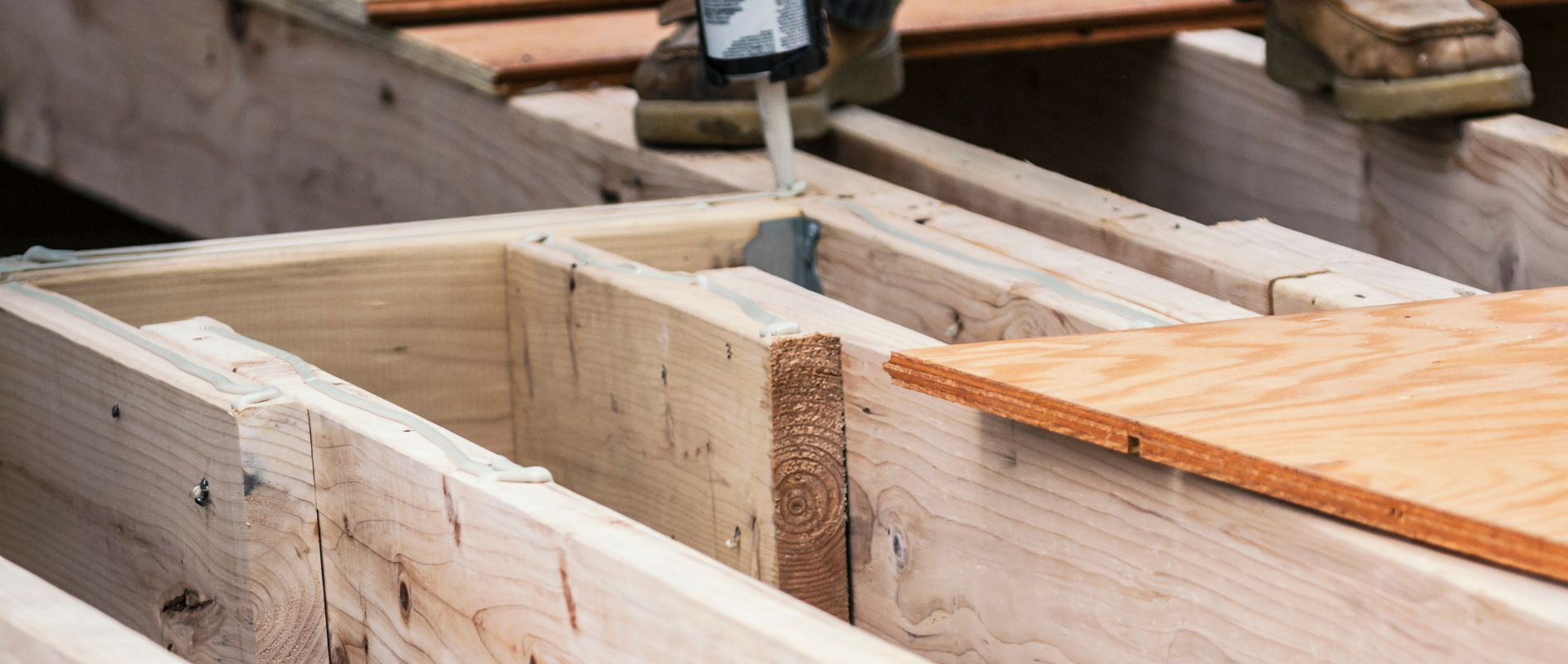
When homeowners envision new hardwood flooring, their attention naturally gravitates toward the final aesthetic, whether it is the depth and warmth of walnut, the refined character of white oak, or the visual impact of a custom stain. What often remains overlooked is the single most critical factor determining whether that floor will perform reliably for decades: subfloor preparation for hardwood flooring.
This article is informed by insights shared in a recent podcast conversation focused on real-world hardwood flooring failures and long-term installation performance. The discussion draws on field experience to clarify why subfloor preparation remains one of the most critical, and most frequently overlooked, steps in professional hardwood flooring projects. The full podcast episode is available in our Press & Interview section under the title: Featured Podcast: Scott Schneider on Groundwork Sessions.
As Scott Schneider emphasized throughout the podcast, the majority of flooring failures are not caused by defects in the hardwood itself, but by inadequate conditions beneath it. Comprehensive subfloor preparation is not a supplementary step; it is the structural foundation of every successful hardwood flooring installation. When this phase is neglected or rushed, even the finest materials are destined to fail.
In markets like Los Angeles, where hardwood flooring is installed over a wide range of substrates, from concrete slabs to older structural systems, the conditions beneath the floor play a decisive role in long-term performance. Experience shows that many post-installation failures originate not in the wood itself, but in underlying issues that were present before installation began. When subfloor conditions are not properly evaluated and addressed, even well-executed installations can develop problems over time.
Understanding why so many flooring failures originate below the surface begins with a clear explanation of what professional subfloor preparation actually involves.
What Is Subfloor Preparation for Hardwood Flooring?
Subfloor preparation for hardwood flooring is the comprehensive process of evaluating, correcting, and conditioning the surface and structural layer beneath the finished floor to ensure long-term performance. It includes assessing moisture levels, verifying flatness and tolerances, reinforcing structural integrity, and applying any necessary remediation before installation begins.
Proper subfloor preparation ensures that hardwood flooring is installed on a stable, level, and compatible foundation—minimizing the risk of movement, noise, moisture-related damage, and premature failure. Regardless of the wood species, installation method, or project budget, the quality of subfloor preparation directly determines how well a hardwood floor performs over time.
Subfloor Preparation for Hardwood Flooring Is the Foundation
A hardwood floor’s performance is directly dependent on the integrity of the structure supporting it. Even the most premium materials cannot deliver their intended durability or aesthetic value when installed over a subfloor that is uneven, weakened, or otherwise deficient. As Scott noted, many homeowners who invested significantly in high-end hardwood later experienced issues such as cupping, gaps, hollow sounds, or floor movement. In the vast majority of these cases, the root cause was insufficient or improper subfloor preparation.
Whether the substrate consists of plywood, concrete, or an older structural system, it must be evaluated and prepared with the same level of rigor as the hardwood flooring installation itself. A thorough assessment and appropriate remediation of the subfloor are essential to ensuring long-term performance and protecting the integrity of the investment above it.
In many cases, the consequences of inadequate subfloor preparation are not immediately apparent. Floors may appear visually acceptable upon completion, only to develop movement, noise, or surface irregularities months later. When these issues emerge, remediation often requires removing newly installed flooring to address conditions that existed prior to installation. This delayed failure pattern reinforces why subfloor preparation must be treated as a preventive discipline, not a reactive correction.
The Core Elements of Professional Subfloor Preparation
Moisture: The Most Persistent and Destructive Variable
Moisture remains the most pervasive and destructive factor affecting hardwood flooring performance. Regardless of whether a property is newly constructed or of historic age, undetected moisture within the substrate or surrounding environment can lead to warping, cupping, buckling, and discoloration.
As Scott emphasized, a surprising number of contractors neglect to perform comprehensive moisture testing prior to installation, exposing homeowners to significant and entirely avoidable post-installation liabilities. In contrast, true industry professionals conduct multiple moisture readings, evaluate ambient humidity conditions, and implement appropriate moisture-mitigation systems when required. This is not a discretionary practice; it is a foundational standard that determines whether a floor maintains its structural integrity or deforms over time.
A common misconception is that moisture-related problems are obvious at the time of installation. In practice, subfloor moisture conditions can appear within acceptable surface ranges while deeper layers remain compromised. Without proper testing at multiple points and depths, moisture may continue migrating after installation, gradually affecting the hardwood above. These failures are frequently misattributed to the flooring itself, when the underlying issue was present from the outset.
Leveling Isn’t Optional, It’s Essential
Many homeowners are unaware that subfloors must be leveled to exceptionally strict tolerances long before hardwood installation begins. Variations of only a few millimeters can compromise the performance of the flooring system, leading to movement, noise, or joint separation over time.
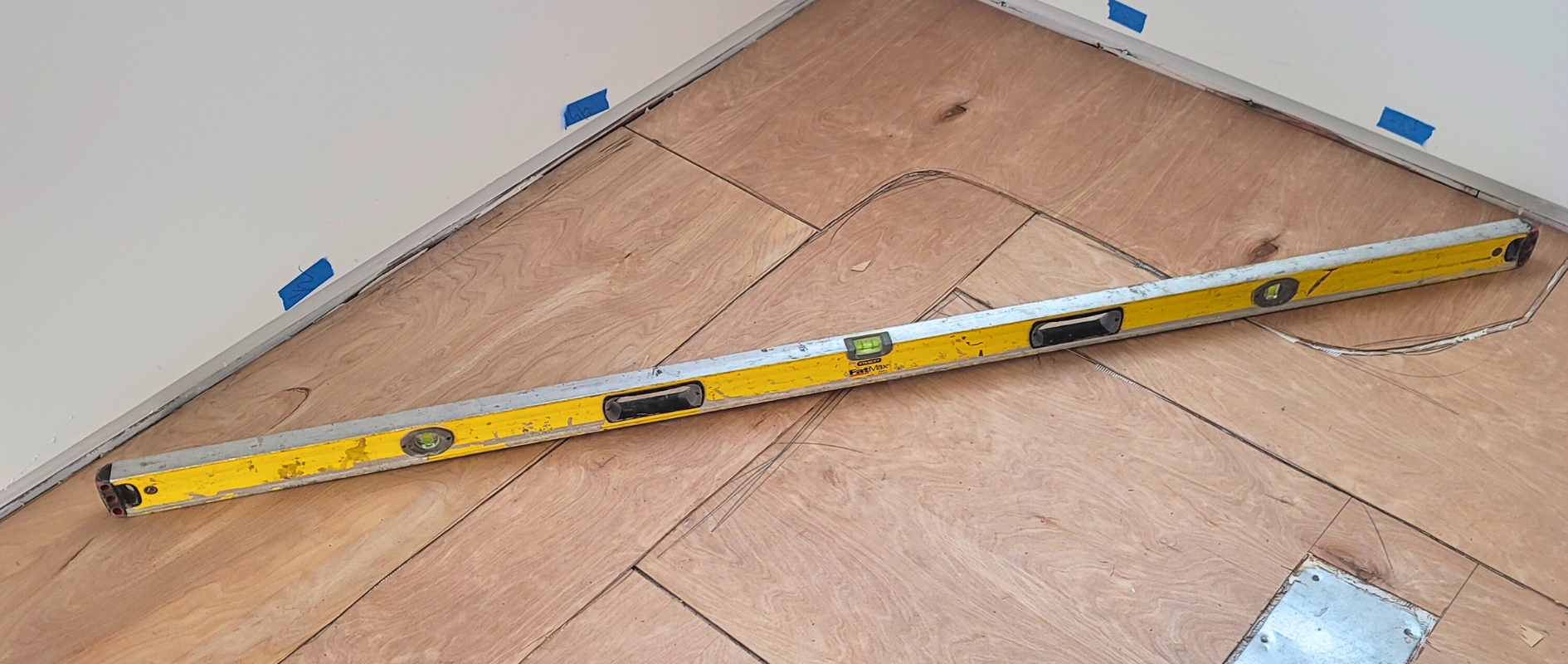
Through numerous case examples, Scott illustrated how inadequate or neglected leveling practices frequently result in uneven surfaces and significant client dissatisfaction. A qualified hardwood flooring contractor will employ precise grinding, patching, or corrective methods to establish a perfectly flat and reliable substrate. This phase of preparation is neither optional nor suited to rushed execution; it is fundamental to achieving a durable, high-quality installation.
Structural Soundness: The Difference Between “Installed” and “Built to Last”
Beyond moisture control and proper leveling, the subfloor must also be structurally sound. In the interview, Scott recalled several projects where the subfloor had never been adequately secured, requiring entire sections to be rebuilt before installation could begin. Although this adds time to the process, it ensures the finished floor meets high-end quality standards. For luxury clients, particularly in Los Angeles, this level of precision is not a premium upgrade; it is an expectation.
In restoration and corrective projects, it is not uncommon for subfloors to require partial or complete reconstruction before new flooring can be installed responsibly. Loose panels, improper fastening, or excessive deflection may not be visible once the finished floor is in place, but they directly influence how that floor behaves over time. Addressing these conditions before installation adds complexity and duration to a project, yet it is often the only way to achieve lasting results.
Premium Installation Requires Premium Preparation
Homeowners frequently underestimate the complexity of hardwood installation, assuming it begins and ends with selecting a wood species and placing the boards. In practice, the most labor-intensive and technically demanding portion of a high-end flooring project occurs long before installation begins.
Much of the disparity in installation timelines and pricing stems from what occurs before flooring is laid. Comprehensive preparation involves detailed evaluation, testing, and corrective work that cannot be rushed without compromising outcomes. When these steps are omitted or minimized, the installation may proceed quickly, but the risk of long-term failure increases substantially. Preparation work is rarely visible once the project is complete, yet it accounts for a significant portion of the professional expertise applied to high-end flooring installations.
Comprehensive subfloor preparation encompasses detailed inspection, structural remediation, precision leveling, moisture management, acoustic treatment, and other critical procedures. These variables explain the substantial pricing disparities among contractors: those who bypass or abbreviate these steps may present lower initial bids but ultimately expose homeowners to significant long-term costs. As Scott aptly notes, “Cheap labor is the most expensive mistake you can make.”
This distinction explains why experienced professionals often decline to proceed until subfloor conditions meet defined standards. Flooring installed over unresolved issues transfers risk from the preparation phase to the homeowner, where repairs become far more disruptive and expensive. Proper preparation shifts that risk back to the planning stage, where it can be managed deliberately and responsibly.
Homeowners frequently evaluate proposals based on visible scope rather than underlying methodology. Because preparation work is largely concealed once the project is complete, its importance is often underestimated during the decision-making process. Over time, however, the difference between a floor that was carefully prepared and one that was not becomes unmistakable in performance, stability, and longevity.
The Bottom Line: Long-Lasting Floors Start Below the Surface
When subfloor preparation is executed properly, the results speak for themselves: floors remain stable, quiet, and perfectly aligned for decades. Conversely, neglecting this critical step cannot be offset by even the highest‑quality materials. Long‑term performance depends on disciplined subfloor preparation for hardwood flooring, a principle that holds true across every style, grade, and installation method.
For homeowners undertaking a luxury remodel, or designers specifying premium flooring, the most prudent approach is to engage a licensed hardwood flooring contractor who treats subfloor preparation as an essential, non‑negotiable component of the installation process. A superior hardwood floor is not defined solely by the choice of plank; it begins with selecting a team committed to the integrity of the foundation beneath it.
Subfloor Preparation FAQs
Why is subfloor preparation so important for hardwood flooring?
Subfloor preparation determines how well hardwood flooring performs over time. An uneven, unstable, or moisture-affected subfloor can cause cupping, gaps, noise, or movement, regardless of material quality. Proper preparation ensures structural stability, alignment, and long-term durability.
What happens if hardwood flooring is installed over an uneven subfloor?
Installing hardwood over an uneven subfloor often leads to movement, hollow sounds, joint separation, and premature wear. Even minor height variations can compromise performance, making precise leveling a critical requirement before installation begins.
How does moisture in the subfloor affect hardwood floors?
Moisture trapped in a subfloor can migrate into hardwood flooring, causing warping, buckling, or discoloration over time. Without proper moisture testing and mitigation, problems may appear months after installation, even if the surface initially looks stable.
Is subfloor preparation different for concrete and plywood substrates?
Yes. Concrete subfloors require moisture testing, vapor control, and leveling compounds, while plywood subfloors must be inspected for deflection, fastening integrity, and flatness. Each substrate requires a specific preparation approach to ensure compatibility with hardwood flooring.
Can subfloor issues be corrected after hardwood flooring is installed?
In most cases, no. Once hardwood flooring is installed, underlying subfloor deficiencies are difficult and costly to address without removing the floor. This is why comprehensive evaluation and correction must occur before installation.
Does proper subfloor preparation increase installation costs?
Subfloor preparation may increase upfront costs, but it significantly reduces the risk of future repairs, floor failure, or replacement. Skipping preparation often results in higher long-term expenses that outweigh initial savings.
How do professionals evaluate subfloor readiness before installation?
Professional evaluation includes moisture testing, flatness measurements, structural inspection, and substrate-specific remediation. These assessments confirm whether the subfloor meets installation tolerances and performance standards required for hardwood flooring.