
Sanding Your Hardwood Floors
Sanding wooden floors will freshen their surface and maintain your home's value.
Children, furniture, high-heeled shoes, and pets are just a few of the things that put a lot of pressure on your floors. Scratches and accidents are happening all the time. To restore your floors their initial glory, try sanding.

Sanding hardwood floors is one of Olde Tyme Floor's most popular services. We bring:
- A fully trained crew with years of experience
- Modern machinery
- A dedication to customer satisfaction
- As a process, sanding is very straightforward. Using abrasive materials, floor sanding smooths the surface of a wooden floor.
Different wood types can be sanded, and at Olde Tyme Floors, we can usually name the wood type at first sight.
To have proper floor sanding, there must be:
- Preparation
- Sanding, and
- Coating with a protective sealant
We’re not just talking about a machine that makes a lot of noise. The best results are achieved by fully trained specialists like our own.
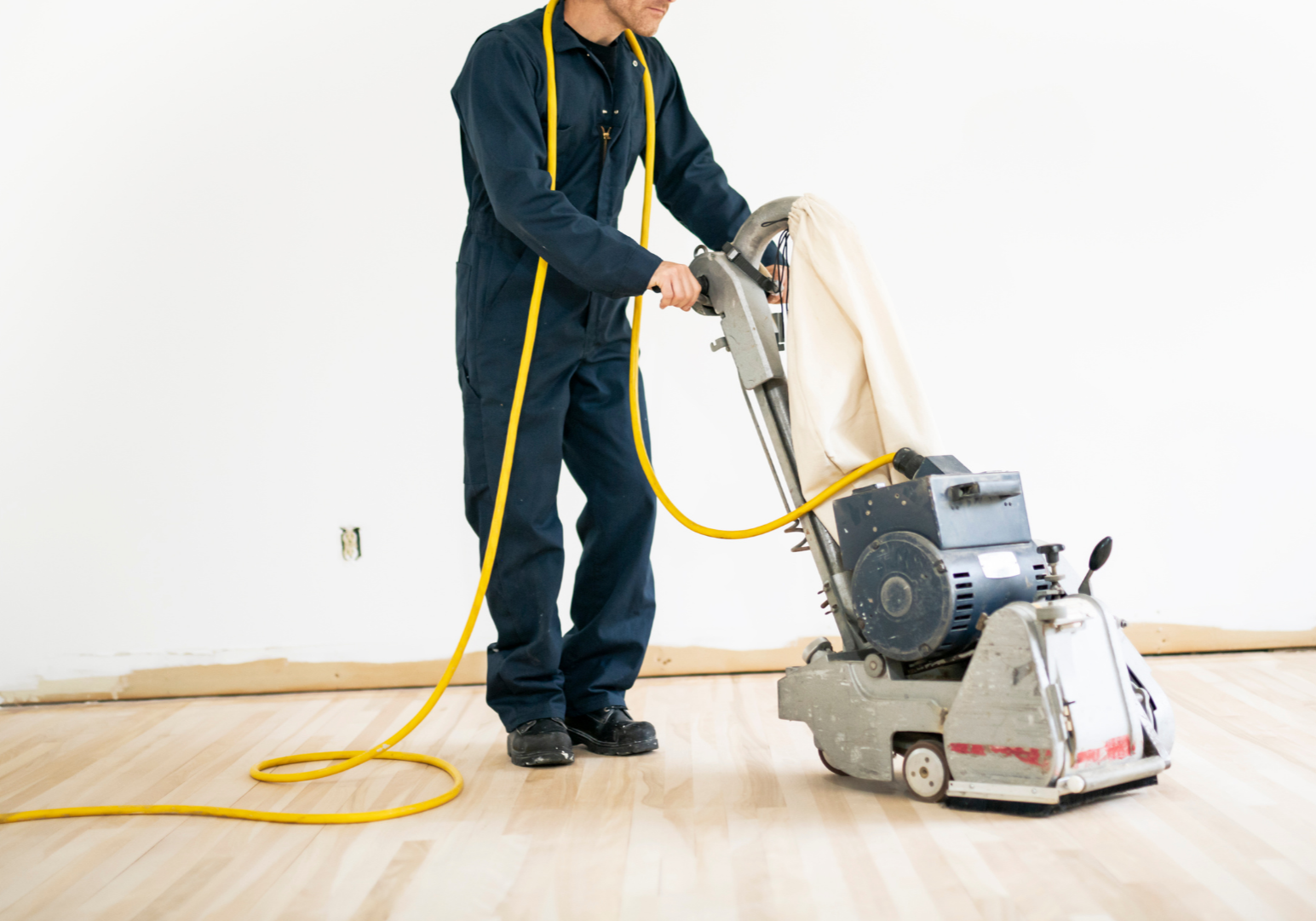
Having said that, a good sanding cannot be performed without the proper equipment. Here are some mandatory machines for the sanding process:
- The drum sander is often referred to by non-floor-experts as the big machine. The truth is that this machine does a big job by sanding the majority of space. This machine uses different grits:
- 50 grit sandpaper removes the first layer
A higher grit is then used on the next pass
This is known as grit progression. Grit defines how rough or abrasive sandpaper is. The lower the grit, the rougher the treatment. The first pass is done using low grit sandpaper, the second pass uses a higher grit, the third higher still, and so on. A common practice is to start with 30 grit abrasiveness and move up to 120.
The drum sander takes care of up to 90% of the floor area, while the rest of the site goes to corners, stairs, and other hard to reach places. For these, an edge sanding machine is brought in, with corners scraped out by Stanley scraping blades. A floor buffer is then used for the final, beautifying touches.
Frequently Asked Questions About Floor Sanding
When Should I Sand My Floors?
Whenever Mr. Miyagi says so. Or better yet, sanding floors should be done when there are heavy signs of fading, scratches, and color change.
How Long Does It Take To Sand A Floor?
This may vary from floor to floor. It would be best if you also thought about temperature - it's best to have the indoor temperature consistent with outdoor temperature.
We suggest having open windows once the work is done.
For pros like us, sanding can take between 1 to 3 days, although this may vary from project size and floor needs. Also, sanding can take place at any time of year, especially if you are based in a sunny area.
What Is The Best Way To Sand A Wood Floor?
The best way to sand your floors is to contact us. From here we’ll provide you a customized plan.
How Do You Clean Hardwood Floors After Sanding?
Once you have your floors sanded, maintain them properly with daily dry mopping and weekly vacuuming. And don’t forget that we provide a cleaning service as well. Feel free to give us a call whenever the need arises.
How Do You Get Rid Of Dust After Sanding?
In the flooring business, dust is the enemy. Never clean your floors unless they are 100% dry. You can remove dust with a damp cloth.
Video
How we Sand and Finish your Hardwood Floor
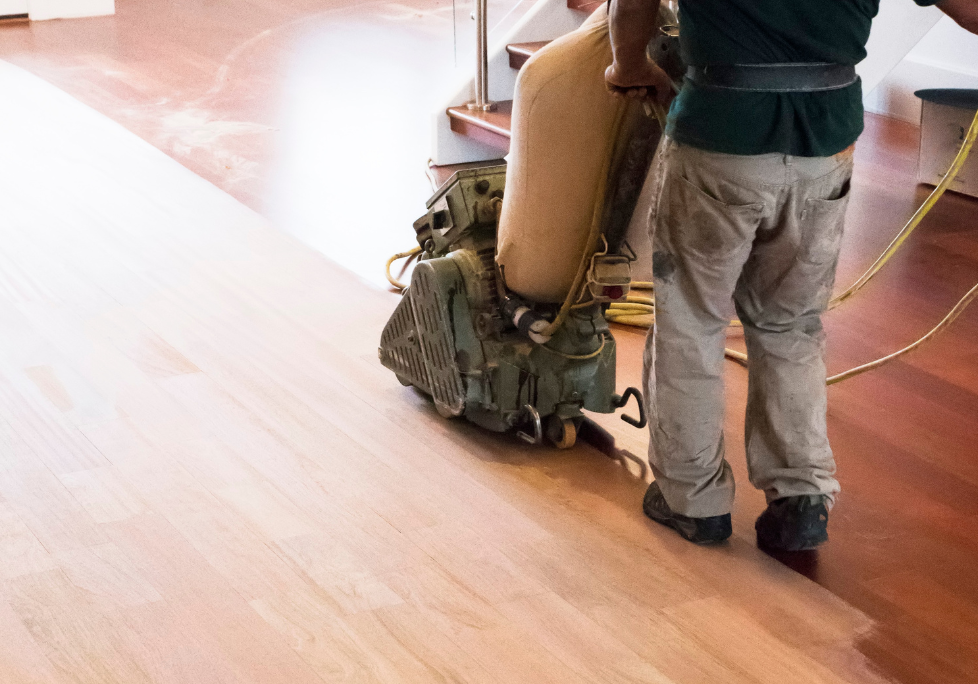
Our Sanding machine creates speedy results