
Hardwood Floors and How to Maintain Them Beautiful for a Lifetime
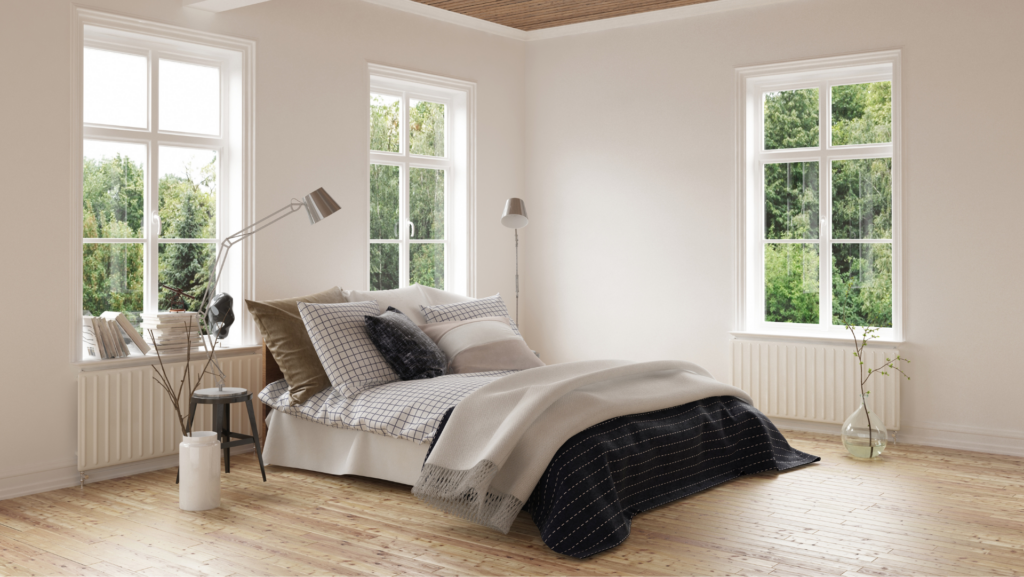
Floors are the canvas of your home. The flooring you pick will determine the style of your whole home, so before purchasing you may want to think twice about how to achieve the maximum value. Moreover, the ongoing situation with the coronavirus may lead to many of us spending a lot more time at home than we used to. In order to provide you with a cozy and warm ambiance, we want to provide you information on how to take care of one of the most important parts of your home - your floors.
There’s a number of options when it comes to picking out the perfect type of flooring for your apartment, house, or a particular room. However, the number one flooring style, from the aspect of quality and endurance, as for esthetics and class, is - hardwood. Many people go for hardwood when furnishing or renovating their homes because it provides a neat and refined touch to the whole ambient and even visually enlarges the rooms in the house or apartment!
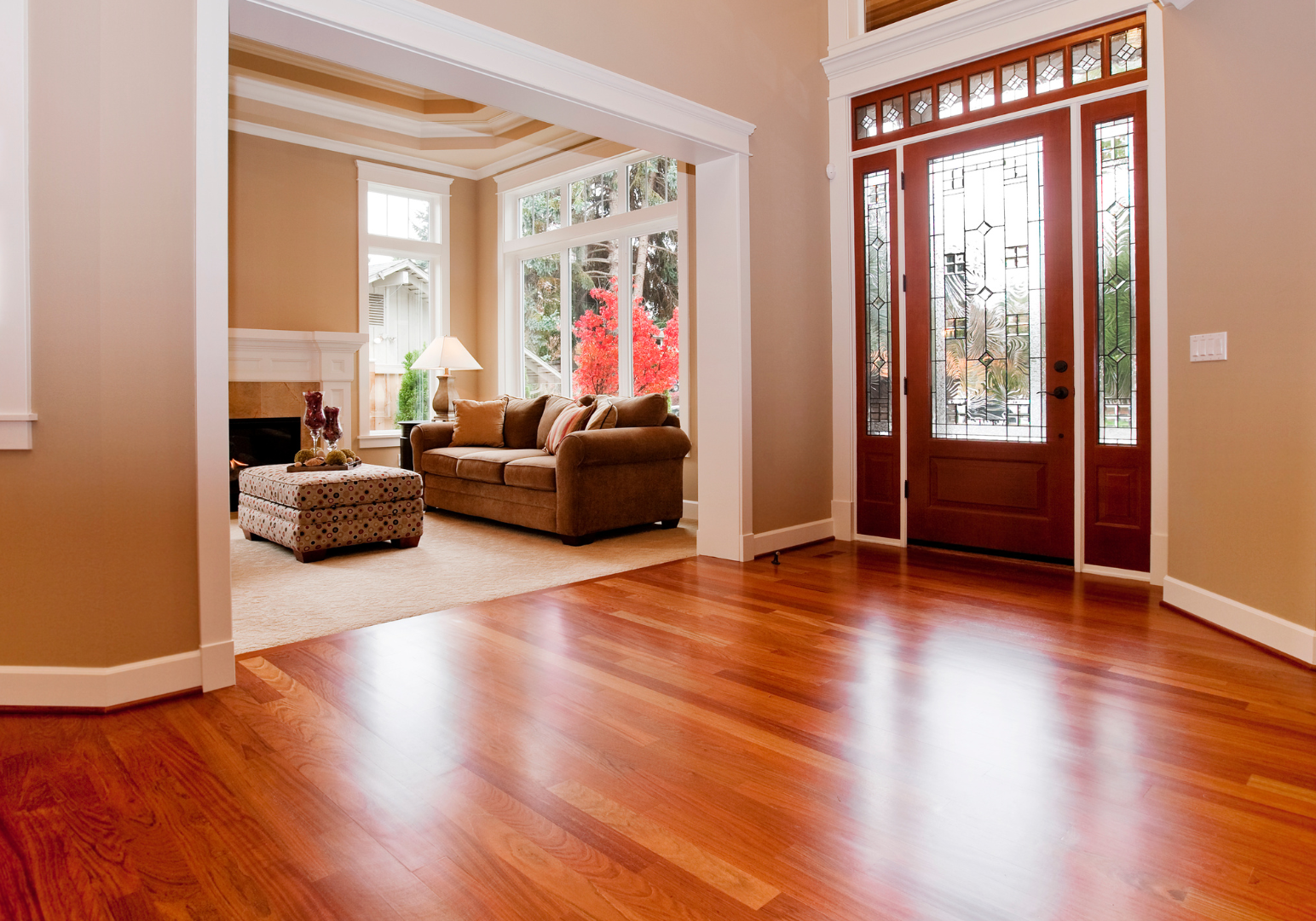
Maintenance
In case you decide to provide your apartment with a warmer and more stylish touch and opt for hardwood flooring installation, you’ll want to do some education first. Hardwood floors are a long term investment, and with proper care, they can outlive you. Maintenance of hardwood is the first thing you should look into if considering this type of floor for your home. Not because it’s something complicated, backbreaking or annoying but because with the proper maintenance, you can protect your investment and ensure that your floors last as long as your home.
National Wood Flooring Association (NWFA) recommends following a simple maintenance schedule that ensures a longer lifetime of your hardwood floor, with a classy, fresh look for years and even decades to come. That schedule consists of precaution measures and basic maintenance chores which you can do on your own, as well as some more serious maintenance jobs for which you’ll need professional help. But don’t worry, that’s where we at Olde Tyme Floor step in! Professional maintenance is rather simple and won’t disrupt your regular routine, as in most cases you could walk over your fresh, new-looking good old floor in just a few hours’ notice.
Humidity
First of all, you need to keep controlling the humidity level in your home . Given that temperature and humidity changes have a significant impact on the wood, it is your role to make sure that your flooring is kept in a consistent environment. If the air is too dry, the wood will shrink, if it’s too moist, however, it will expand. Both of these cases may cause more severe problems with the wood, such as cupping, crowning, gapping between boards, and many more. The optimal temperature for hardwood floors is between 60° and 80° Fahrenheit with optimal humidity around 35-55% year-round. In case that the temperature and humidity levels at your home differ from the recommended values, no worries - the solutions to these issues are quite simple. With a simple purchase of a humidifier during dry winters and a dehumidifier for humid summer periods you could prevent even 90% of problems related to hardwood flooring.
Basic Routine Maintenance
In order to obtain optimal wood floor performance, you need to follow some quick and easy maintenance rules. These rules include basic routine sweeping, dust mopping and vacuuming which should be done at least once a week so the dirt between the floorboards would be removed.
We don’t recommend using a wet mop for cleaning wood surfaces, as it may dull the finish. Instead, use some of the recommended cleaning products. Always opt for speaking directly with the professional regarding these issues, rather than taking advice from a non-professional friend or looking it up on the internet. We at Olde Tyme Flooring would be more than glad to assist you in choosing the optimal cleaning product. After purchasing the cleaner suited for your floor, keep in mind not to do the biggest problem people usually do, which is the overuse of the product. Do not spray it all over the floor, but spritz the damp mop. Improper cleaning may lead to future problems with recoating, as it may cause voiding of the warranty.
In addition, it’s suggested to remove footwear while walking on the wooden floor, as they may scratch the finish, or even cause dents in the flooring. Prevention leads to simpler maintenance, so you are advised to always provide your floors with extra care, which includes using protector pads on furniture, wiping spilled liquid immediately, using rugs, cutting your pet’s nails, etc.
Professional Maintenance
As the years and decades go by, hardwood floors are bound to get a bit worn out no matter how persistent you are in conducting basic maintenance routine. Luckily, top products and cutting edge technology of today allows us, professionals, to do jobs such as recoating, sanding and refinishing much faster while providing your floor an incredibly fresh look. If the “wear and tear” on your floor isn’t too noticeable and deep, a simple recoating would give your floor back that missing shine. Most often, the new coating is done every 3-5 years. However, there would come a moment when recoating just won’t cut it. The weariness and the scratches would become too evident and that’s when your floors would need a complete professional sanding and refinishing job. This is usually done only once every few decades, depending on how much you pay attention to routine maintenance, humidity levels, etc. This job can take up to several days but once you see the new look of your old floor, you’ll know it was worth it. Another advantage of sanding and refinishing is it provides the opportunity to change the color and appearance of the floor. This option is not available when simply re-coating the floor. Sanding and refinishing including “Wirebrusing” your flooring can completely change the look of your home very inexpensively compared to replacing the floor.
Recoating and Refinishing
While these two terms are often (mis)used for the same process of renovating your worn floor, there are some differences in the procedure. Simply put, refinishing includes buffing-out a light layer of the original finish before applying a new coat of fresh finish, while recoating usually means only coating a fresh finish over the existing one.
Although both refinishing and recoating would revitalize your floors and give your home a fresh touch, the level of damage on your floors determines the type of work that needs to be done. Even though we, at Old Tyme Floor, tend to notify our customers when their floors may be due for a new layer of coat, people usually call the professionals only when the wear is too great and spots of the bare wood can be seen. The moment you see patches of bare wood, you are a couple of years late for recoating, and you need complete sanding and refinishing work done.
That being said, it’s important to recognize the right moment for recoating/refinishing your floors. This work should be done once every few years for high-traffic areas and places you spend a lot of time in. Less frequently used floors, however, don’t need to be recoated that often. Keep an eye for scratches, dents and other signs of damage. Also, watch out for water stains on the floor, especially in the kitchen, near the bathroom or around your dog’s water bowl. It could be tricky to explain to Buster not to drool on the hardwood floor. When conducted on time, while the depletion caused by wear-and-tear is still not too severe, recoating will easily restore your floor’s shine.
Keep in mind that recoating without sanding is not always possible even if the floors are not too dull or damaged. It also depends on the type of finish. Wax, varnish or shellac finish simply cannot be coated over, so floors with these types need to be sanded. But don’t worry, you don’t have to know which type of finish your floors have. Before starting the work, our team will inspect the floor thoroughly and determine the right method to go with.
Full Sanding and Refinishing
The sanding method removes the whole top layer of hardwood floors, completely getting rid of the finish as well as the scratches, dents, and stains in the process. If properly maintained, several decades can pass without the need for resanding the floors. However, at one point you’ll simply have to do it.
As mentioned before, once the floors are too damaged or finished with materials such as wax, shellac or varnish, full sanding and recoating is necessary. After examining the floors, Olde Tyme Floor professionals determine how many times they’d need to sand the floor in order to get the desired result. Depending on many factors, they choose the grit to start with in the first go and switch to finer and finer grits afterward. Once the whole area is sanded, swept, vacuumed and cleaned and the floors get that raw hardwood look, the second phase starts - recoating.
Even though our team would be there to help you with making your mind regarding the color or the tone of the desired finish, the final decision is completely up to you. Keep in mind that the color of the hardwood can be changed only after doing the complete sanding job, so if you ever thought about changing the color of your floors, now is the time. After applying a new coat of finish, the full process of re sanding and refinishing is complete. Your depleted, stained and worn floor is now fully refurbished, with a completely new, fresh shine, like the first time you installed it.
Whether furnishing a newly built house or renovating the floors in your old apartment, opting for hardwood flooring will deliver that unique and stunning esthetic touch. Even though hardwood flooring requires a bit of special care, there’s nothing to be worried about! Following the simple mentioned steps will maintain your floors in great shape for years to come and bring you the “wow” reaction every time you walk in the door. And in case of any other undesired issue, we are here to help you out!