
Why Subfloor Preparation Matters Before Installing Hardwood Floors
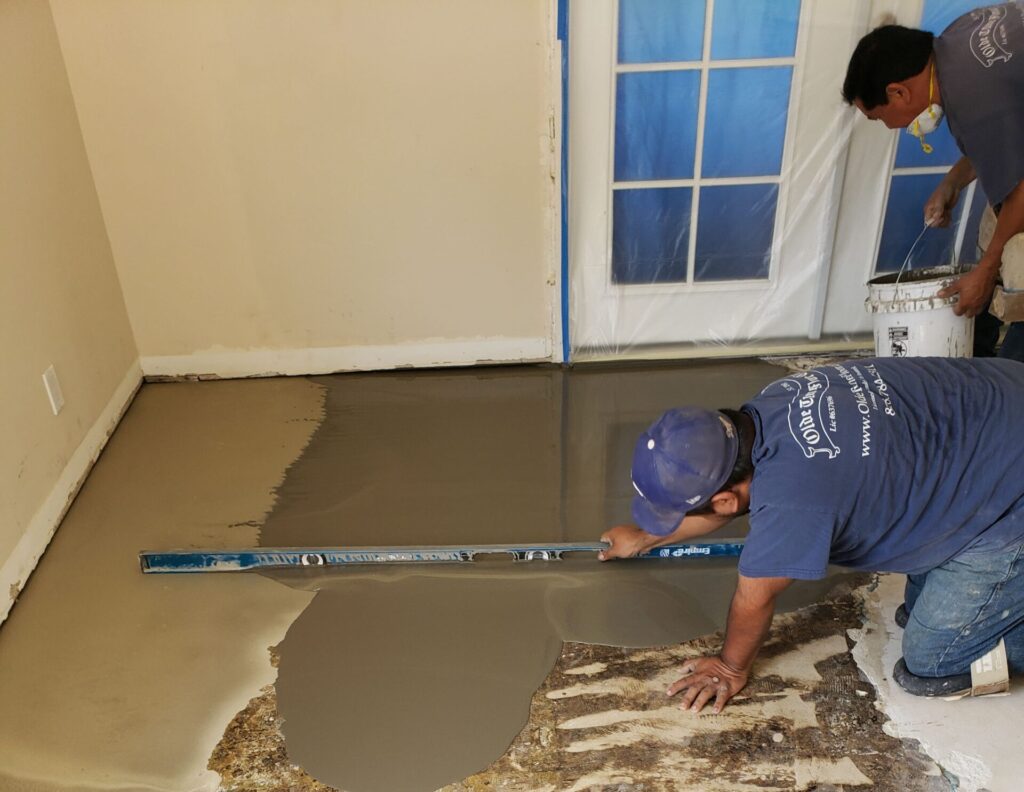
Subfloor preparation is one of the most important parts of hardwood floor installation because it determines how well the finished floor can perform. Once new hardwood is installed, the work underneath is hidden. However, unevenness, movement, moisture concerns, or weak areas beneath the floor can still affect the final result.
For many homeowners, the visible wood receives the most attention: species, width, color, stain, sheen, and finish. Those choices matter. Yet the floor’s long-term comfort, stability, and appearance also depend on the surface below the hardwood. A carefully prepared subfloor gives the installation a better foundation.
This is especially important in Greater Los Angeles homes, where existing conditions can vary widely. Older properties, remodeled homes, hillside construction, concrete slabs, plywood subfloors, and coastal exposure may all require different preparation decisions before hardwood is installed.
Table of contents
- What Subfloor Preparation Means
- Why the Surface Beneath the Floor Affects the Finished Result
- Conditions a Flooring Specialist Should Evaluate
- Why Subfloor Preparation Matters in Greater Los Angeles Homes
- Preparation Protects the Investment in the Finished Floor
- Questions to Ask Before Approving a Hardwood Installation Proposal
- Subfloor Preparation and Pre-Installation Evaluation
- FAQs
- Related Content
What Subfloor Preparation Means
Subfloor preparation refers to the inspection and correction of the surface that will support the hardwood flooring system. Depending on the home and the product being installed, this may involve cleaning, repair, leveling, flattening, fastening, slab evaluation, moisture review, or the use of an appropriate moisture barrier.
The goal is not simply to make the surface look clean. The goal is to create a suitable base for the flooring system. A beautiful hardwood floor cannot compensate for serious problems beneath it.
A flooring specialist should look at the condition of the subfloor before treating the project as a straightforward installation. If the surface is not flat, stable, dry enough for the selected system, or compatible with the chosen material, the installation plan may need to change.
Why the Surface Beneath the Floor Affects the Finished Result
Hardwood is a finished material, but it is not independent from the structure below it. When the subfloor has low spots, loose areas, uneven transitions, or movement, those issues may transfer into the finished floor.
Poor preparation can contribute to squeaks, an uneven feel underfoot, gaps, movement, adhesive problems, or visible irregularities. Not every floor concern comes from the hardwood itself. In some projects, the finished floor is only revealing a condition that existed beneath it.
That is why subfloor preparation should be discussed before the installation begins. A detailed conversation helps the homeowner understand what is visible, what still needs to be evaluated, and which conditions may only become clear after demolition or removal of the existing floor.
Flat Does Not Always Mean Perfectly Level
Homeowners often ask whether a subfloor must be perfectly level. In practical terms, flatness and stability are usually more important than achieving a perfectly level plane in every older home.
A floor can be out of level because of age, settling, framing conditions, or prior remodeling. The more important question is whether the surface is suitable for the flooring system being installed. A specialist can explain what can be corrected, what should be corrected, and what expectations are realistic.
Conditions a Flooring Specialist Should Evaluate
Every project is different, but several conditions deserve attention before hardwood installation. This review protects the finished result and helps avoid surprises after the floor is installed.
| Condition | Why it Matters |
|---|---|
Flatness and low spots | Uneven areas can affect how the hardwood sits and feels underfoot. |
Movement or squeaks | Loose sections may need repair before the new floor is installed. |
Moisture conditions | Concrete slabs, crawlspaces, and certain site conditions may require added evaluation. |
Existing layers | Old flooring, adhesive, or hidden layers can affect scope and preparation. |
Product requirements | The selected hardwood system may have installation requirements that should be reviewed before work begins. |
Manufacturer instructions should also be part of the conversation. As general industry guidance, flooring products often include requirements for the supporting surface, fastening method, adhesive system, moisture conditions, and acclimation. The exact requirements depend on the product selected, so they should be verified for the specific material before installation.
This is one reason a very simple proposal may not tell the whole story. Two contractors may both quote hardwood installation, but one may include meaningful subfloor preparation while another may leave those issues vague. Homeowners should understand what is included before comparing bids.
Why Subfloor Preparation Matters in Greater Los Angeles Homes
Greater Los Angeles has a wide range of residential conditions. A home in Hancock Park or Los Feliz may have older flooring assemblies and prior repairs. A coastal home in Malibu or Santa Monica may raise different moisture questions. A hillside property may require careful attention to transitions, structure, and existing conditions.
Those examples do not mean every home in those areas has a problem. They simply show why local flooring experience matters. A responsible flooring conversation should connect the homeowner’s design goals with the practical condition of the home.
High-end interiors also make preparation more important, not less. Wide-plank hardwood, refined stains, custom finishes, and clean architectural lines can make unevenness or movement more noticeable. In luxury residential work, the floor has to support the overall design standard of the home.
Preparation Protects the Investment in the Finished Floor
Subfloor preparation is not the most glamorous part of a flooring project. It is also not the part guests will notice first. Still, it can be one of the most important investments in the installation.
A properly prepared surface supports the hardwood, the finish, and the homeowner’s long-term expectations. It also gives the flooring contractor a clearer path to install the material correctly. When contractors skip or minimize preparation, they expect the finished floor to compensate for conditions it was never designed to solve.
For homeowners, the lesson is simple: do not evaluate a hardwood proposal based only on the visible wood. Before the boards are installed, find out what preparation the contractor will complete. Learn how the subfloor will be inspected and which conditions could change the scope. Clear answers before the work begins can help prevent frustration later.
Questions to Ask Before Approving a Hardwood Installation Proposal
- Will the contractor inspect the existing floor or subfloor before installation?
- What preparation does the contractor include in the proposal?
- How will the contractor address low spots, movement, or squeaks?
- Will the contractor evaluate moisture conditions for this flooring system?
- Will the contractor review the installation requirements for the selected hardwood product?
- What conditions might require additional work after the contractor begins demolition?
- How will the contractor communicate any changes in scope?
The goal is not to make the project more complicated than necessary. The goal is to make the scope clear enough that the homeowner understands what the contractor will install, what the contractor will prepare, and which risks still require professional judgment.
Subfloor Preparation and Pre-Installation Evaluation
Subfloor preparation is a practical step that supports a better hardwood flooring result. It helps connect the design goal with the real condition of the home, which is especially important in high-end residential projects.
Before installing new hardwood floors, homeowners should understand what is beneath the surface, what preparation is included, and which conditions require professional evaluation. A thoughtful conversation at the beginning can protect the finished floor and reduce avoidable surprises.
Olde Tyme Floor Co. offers free phone consultations for qualifying hardwood flooring projects throughout Greater Los Angeles. If your project involves new hardwood installation, subfloor concerns, or an existing floor that may need evaluation, schedule a consultation before moving forward.
FAQs
Subfloor preparation matters because the finished floor depends on the surface beneath it. A flat, stable, and suitable base helps the hardwood perform properly after installation.
Not always. In many homes, the more important concern is whether the subfloor is flat, stable, and appropriate for the selected hardwood flooring system.
Yes. Movement, loose areas, low spots, or unstable sections can contribute to squeaks or performance problems after the hardwood is installed.
It may be possible, but the slab must be evaluated for the selected flooring system. Moisture conditions, flatness, and product requirements should be reviewed before installation.