
What are the types of Hardwood Flooring?
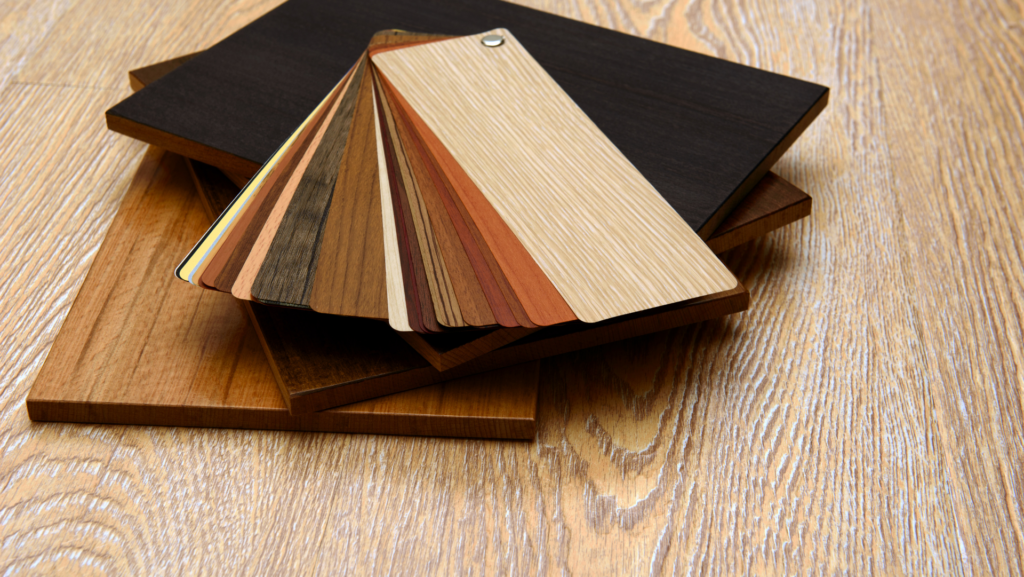
Hardwood flooring is one of the most popular flooring options in the States. There are many reasons why they are so popular.
Hardwood flooring is attractive, timeless and it can be refinished. Simply said hardwood flooring can last a lifetime.
You want to add hardwood floors to your home, but you aren’t sure which type of hardwood to choose, or what the type of hardwood flooring? Don’t let the variety of options floor you!
Find out about the main type of hardwood flooring and which wood surface will look the best in your home.
Hardwood Flooring Types
Choosing the type of hardwood that best fits your space is an important milestone in planning the perfect installation of a new floor.
Stay informed, and don’t mix floor type with wood variety. When it comes to hardwood floors, there are three main types that you should know about.
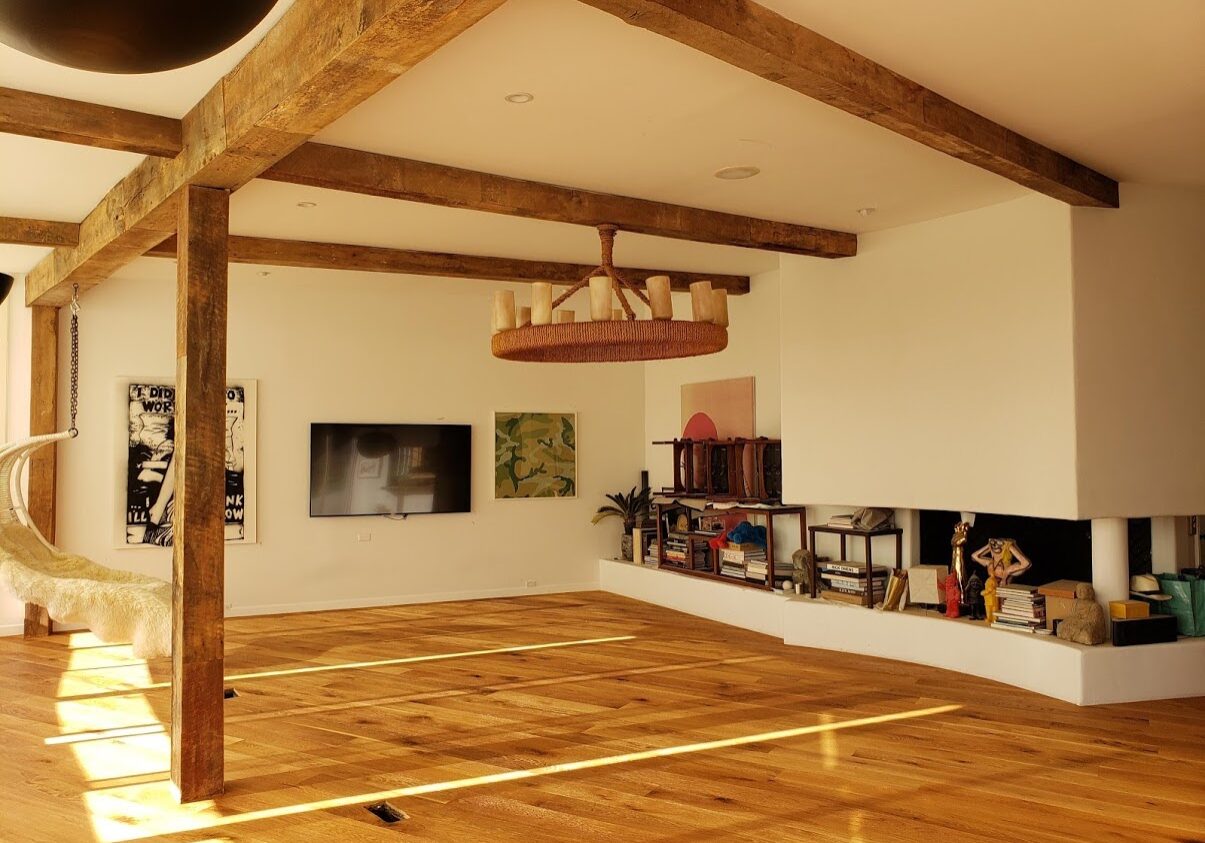
Solid Hardwood Flooring
Solid hardwood flooring is known for its strength and solidness. It's always made of solid wood, such as oak, maple, or walnut.
It's wooden from bottom to top, and it has a lifespan up to 100 years, which is why floor experts love to describe this flooring option as timeless.
Solid hardwood flooring has a wide range of colors and species, and it's easy to maintain. Solid wood flooring comes in three main types.
Each type is available in both an unfinished and a pre-finished version.
Unfinished flooring must be sanded on-site and finished after installation.
Pre-finished flooring is both sanded and finished at the factory and only needs installation on-site.
The three main types of solid wood flooring are:
This type of flooring is known for its thickness and width of the wood planks. Width is always the same, while the thickness may vary.
Strip flooring ranges in thickness from 5/16 of an inch to 3/4 of an inch wide. It's available only in widths of 1 1/2 inches, 2 inches, and 2 1/4 inches.
This type of flooring comes only in two thicknesses. Widths may vary.
Plank flooring is available only in thicknesses of 1/2, 3/4, and a range of widths from 3 inches to 8 inches.
Parquet Flooring
This type of floor is visually different from traditional hardwood floors. Parquet flooring is rich in geometrical patterns.
This floor type is made out of small pieces of hardwood into geometric patterns. Ever since it first appeared on the market in the 1960s, the popularity of this floor has only grown.
Engineered Wood Flooring
At first glance, engineered hardwood flooring is similar to solid hardwood, but they are very different.
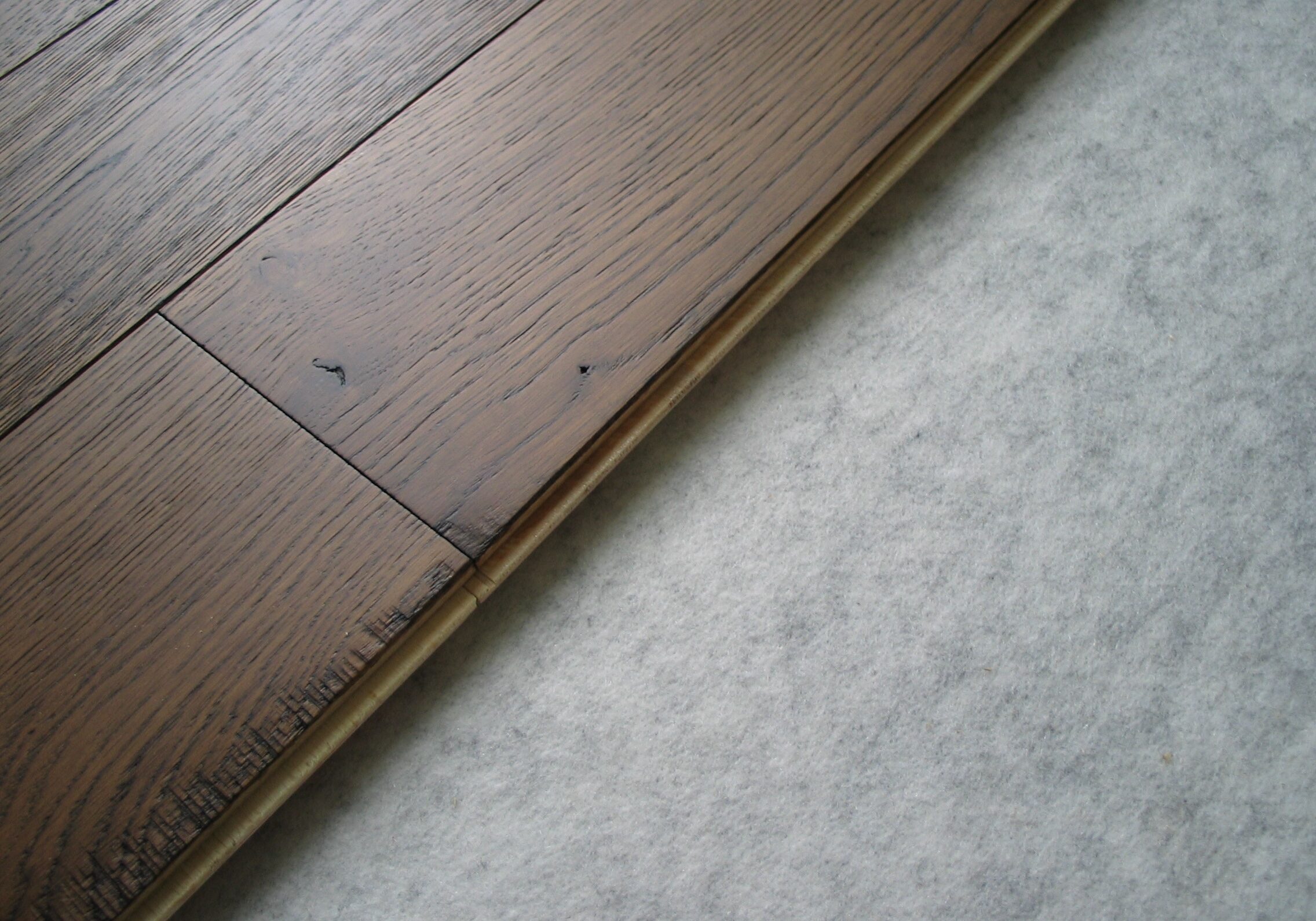
Engineered hardwood flooring is made of a thin layer of hardwood bonded over a substrate of the finest plywood. This flooring is always sold pre-finished, and there are a few colors and species to choose from, unlike the solid hardwood.
Engineered hardwood flooring is made of multiple thin layers, and can be installed over a ghost of different flooring. It can also be installed in basements.
Acrylic-impregnated Wood Flooring
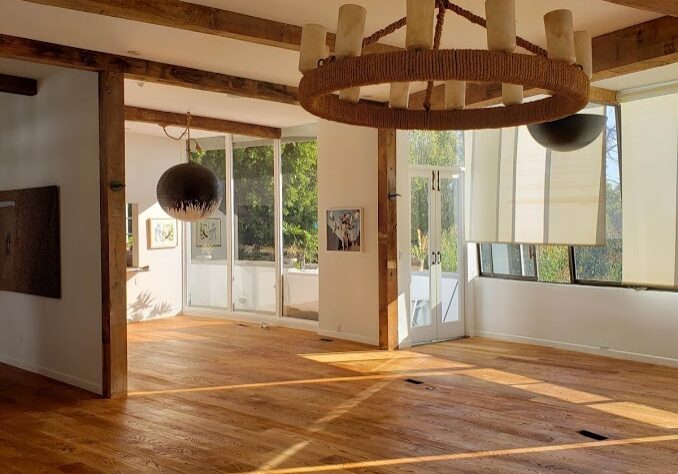
Acrylic-impregnated wood flooring is infused with sealant and color throughout the thickness of the wood.
This type of flooring uses a prefinished treatment applied by the manufacturer. In most cases, acrylic impregnated wood flooring is used in commercial, not residential, projects.
This floor is very hard and highly resistant to moisture and scratches.
Hardwood Floor: Engineered or Solid?
Do you prefer the quality or the lower price? Do you need hardwood flooring in your kitchen or in your basement? Do you have visual or design flooring preferences?
These and many other questions will decide what works better for you, engineered or solid flooring. So, how to choose?
In most cases, engineered hardwood is more stable because it has many layers, compared to one-piece solid hardwood floors.
Engineered flooring allows a tighter fit, especially during the winter, when it's drier. Installation of engineered wood is more affordable compared to solid hardwood installation.
As a general rule: the harder the hardwood, the more expensive it is. The main difference between solid and engineered hardwood flooring is that solid can be refinished and last for more than a century, while engineered hardwood fades with time and cannot be refinished.
What Kind of Wood to Use?
When it comes to setting the right hardwood flooring, it's important to choose the right kind of wood.
Each wood comes with specific characteristics and patterns. You can even say that each wood has a particular character.
Still, to find the right wood, you need to think about style and substance and take them into account.
For example, light wood is better for a more casual setting, while the dark wood suits better for more formal surroundings.
At the end of the day, it all comes down to personal preferences, because there are no fast or hard rules. Just select what fits your budget and what your eye sees as beautiful.
Here are the most common flooring choices:
- Red oak
- White oak
- Birch
- Beech
- Pine
- Cherry
- Douglas fir
The Bottom Line
Hardwood flooring is one of the oldest materials today. This material is also one of the most desirable flooring options on the market.
Whether your style is classic, eclectic, or contemporary, a hardwood surface can easily complement your space, add to your décor, and even increase your home's value.
Make sure that you know what wood style you prefer, calculate what fits your budget the best, and always invest in the long run.